
Toyota Vios 2026 Review Singapore: Facelift & Fuel Economy
TOYOTA VIOS · 2026 FACELIFT
Fuss-Free, Mostly Fixed
"It isn't trying to impress you — and that restraint is exactly what makes it work. Toyota fixed the parts that mattered, and left one or two old habits untouched."
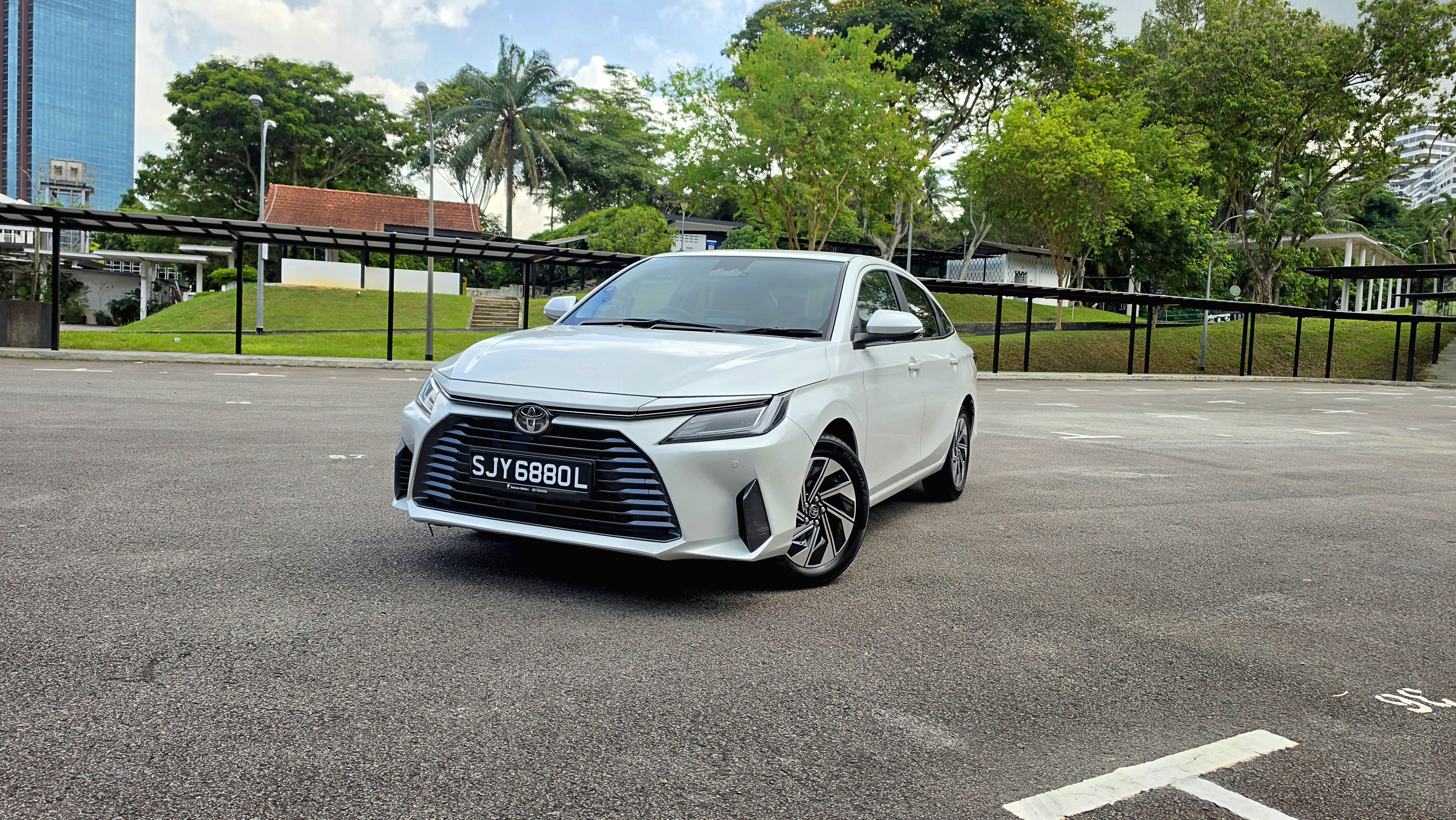 🔍
🔍The updated styling reads a lot more current than the outgoing car — one of the strongest arguments for this generation.
Throttle inputs translate into actual forward motion — a real improvement over older Vios generations.
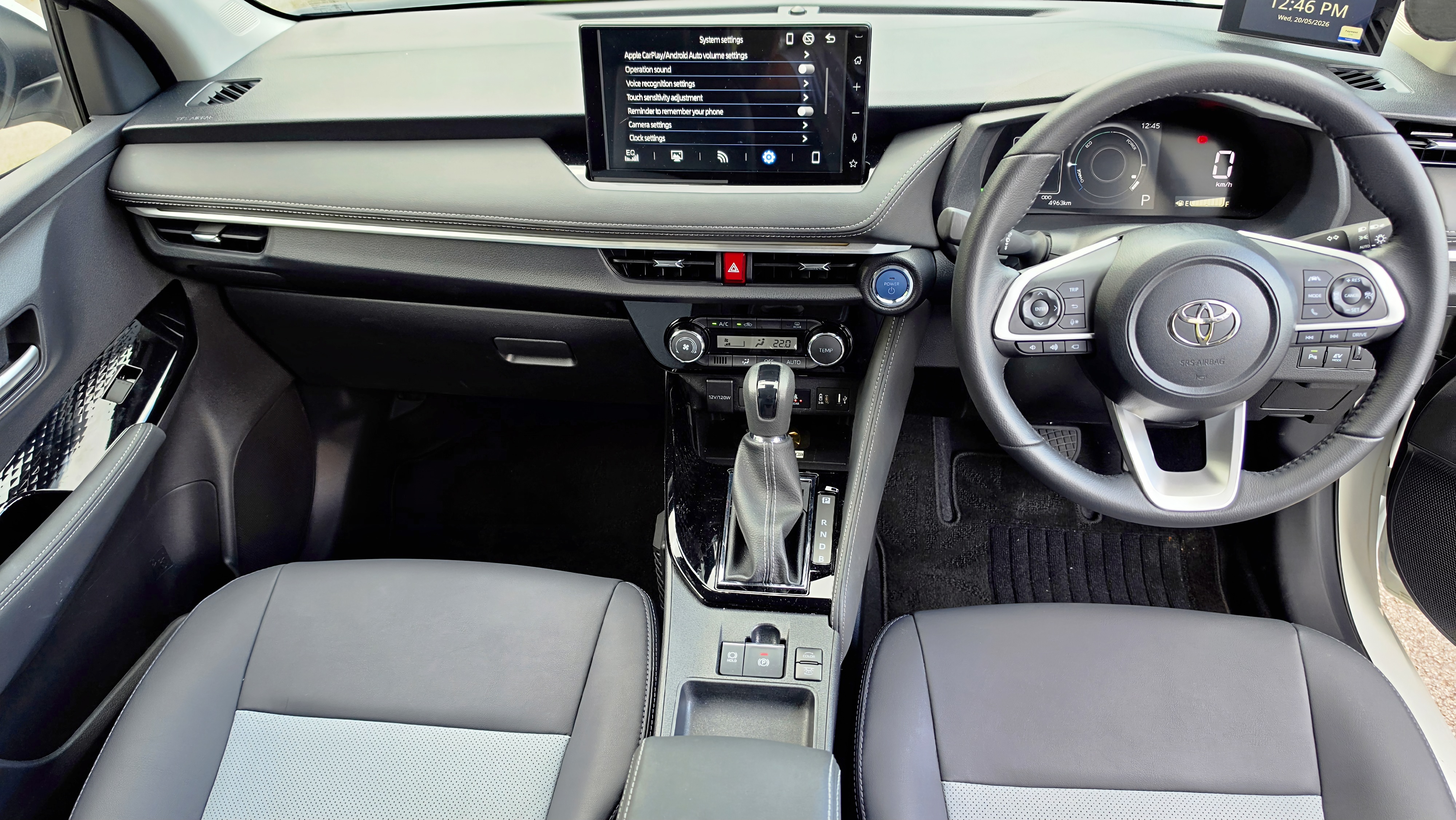
A new cluster layout gives the dashboard a more cohesive, up-to-date feel alongside the refreshed infotainment UI.
Both connect wirelessly, so most drivers will barely touch the native software day-to-day.
A nice touch for the price bracket, even if the sound system playing under those lights is fairly basic.
Introduction
The Vios has never been a car people get excited about, and the 2026 update doesn't change that. What it does do is quietly fix the parts that used to bug you — engine response, cabin tech, exterior styling — while leaving one or two old habits untouched. We spent a day with it on a media drive to find out which is which.
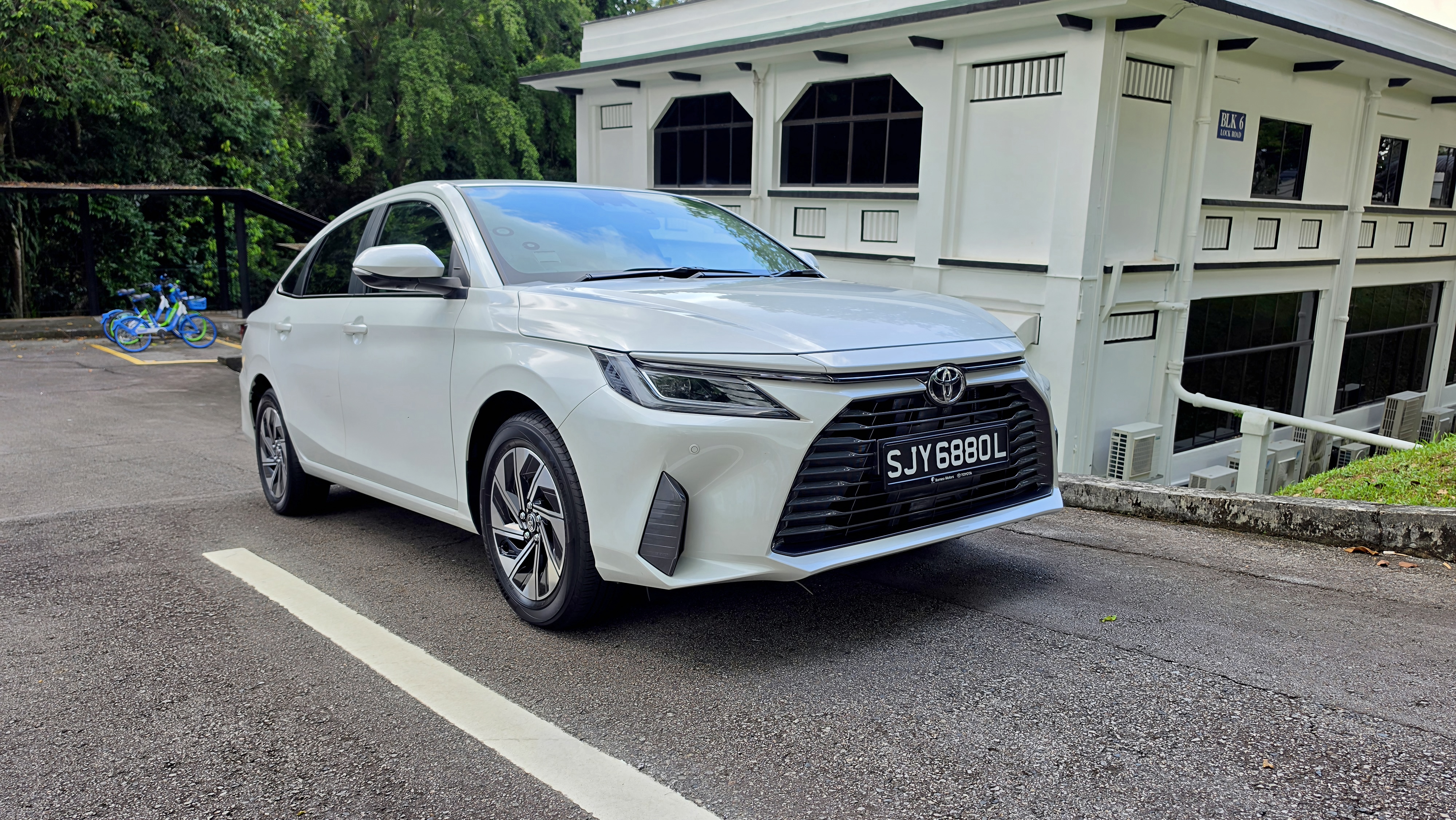 🔍
🔍The 2026 Vios in the metal. Photo: Cars&TechSG
Exterior Design
Toyota clearly put some effort into how this generation looks, and it shows. The updated front end and overall silhouette read a lot more current than the outgoing car — genuinely one of the strongest arguments for the 2026 Vios, and probably the first thing people will notice rolling up next to it at the traffic light.
 🔍
🔍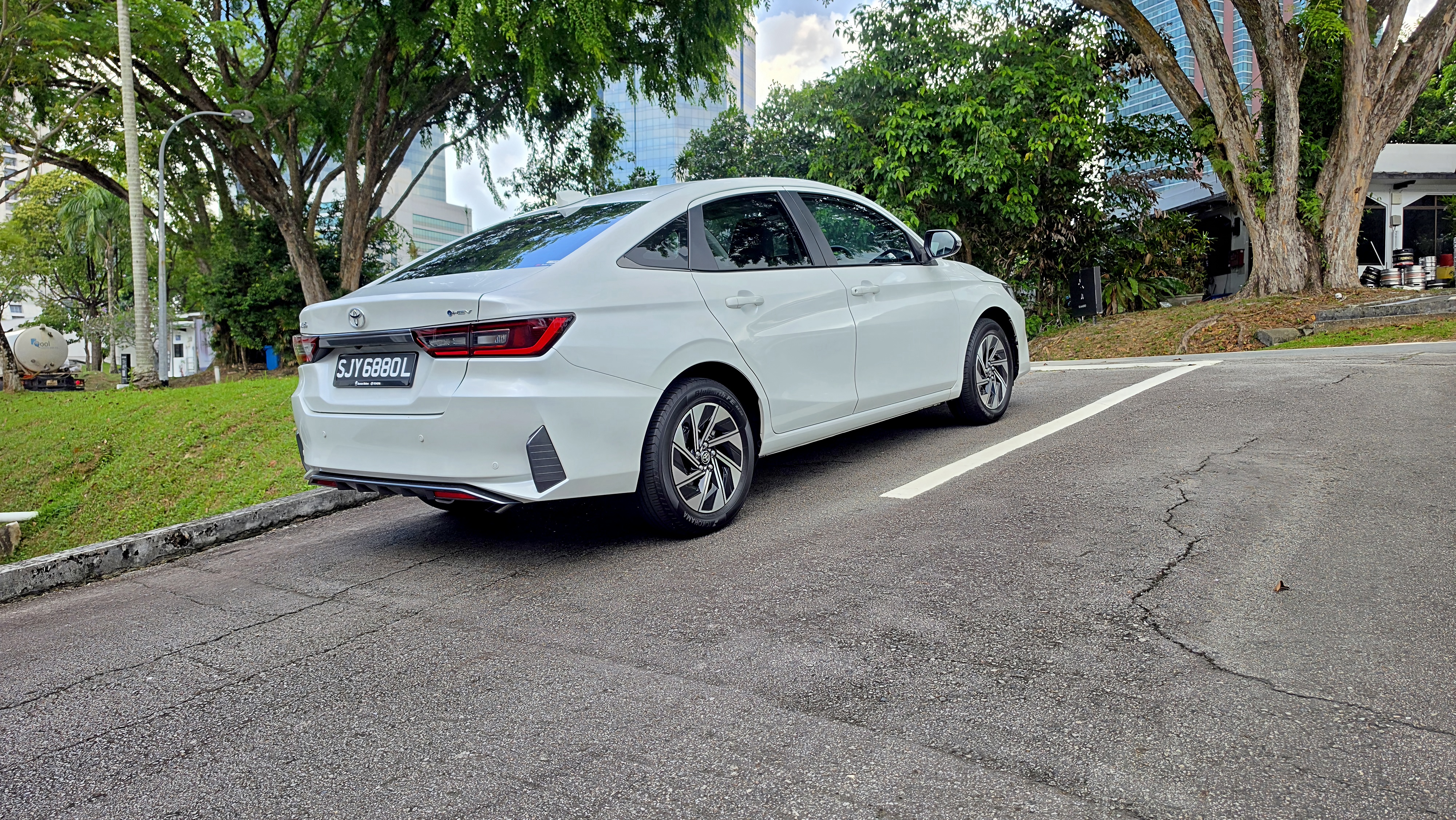 🔍
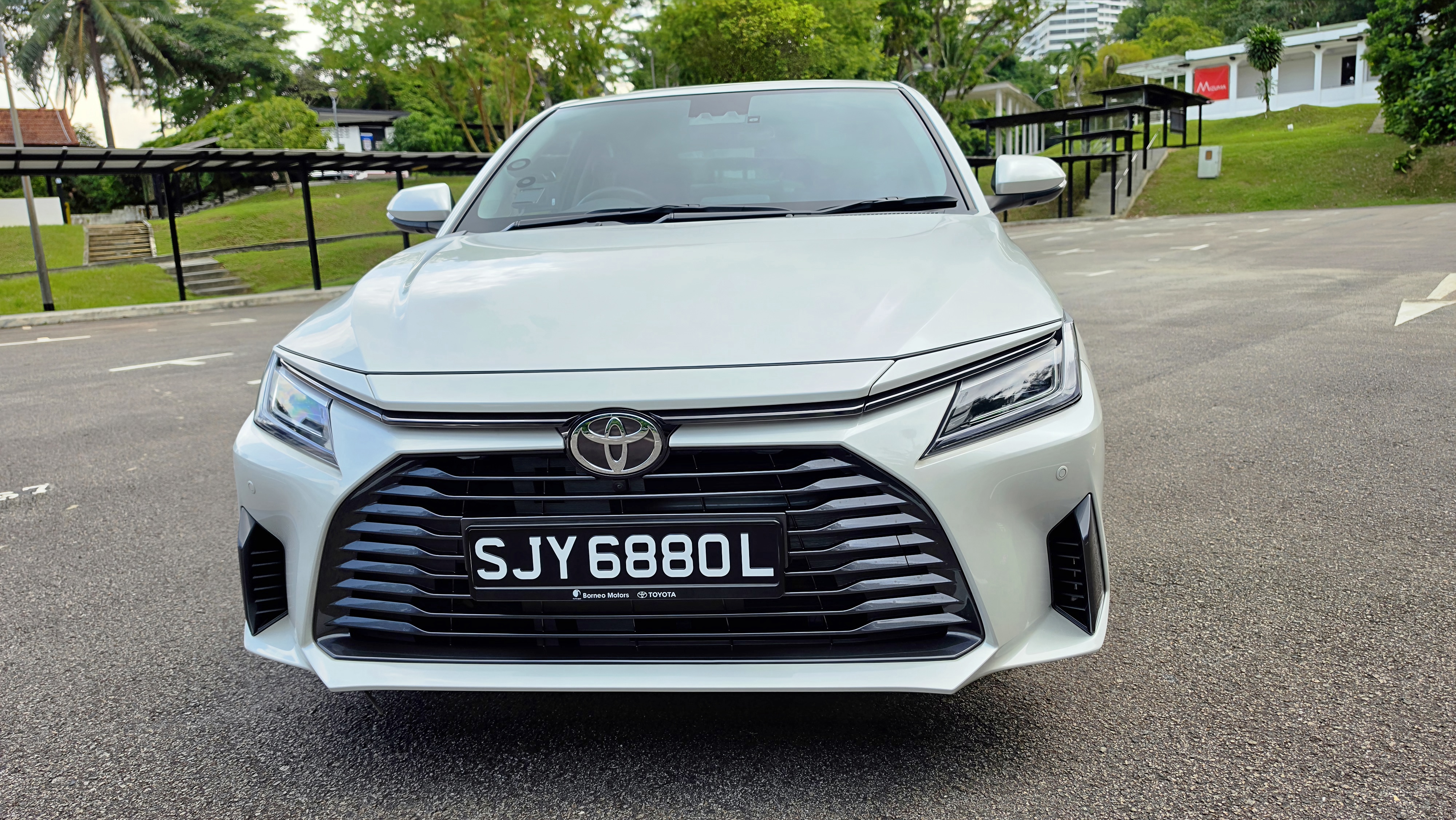
🔍Updated front and rear styling — a modernised look over the outgoing model. Photo: Cars&TechSG
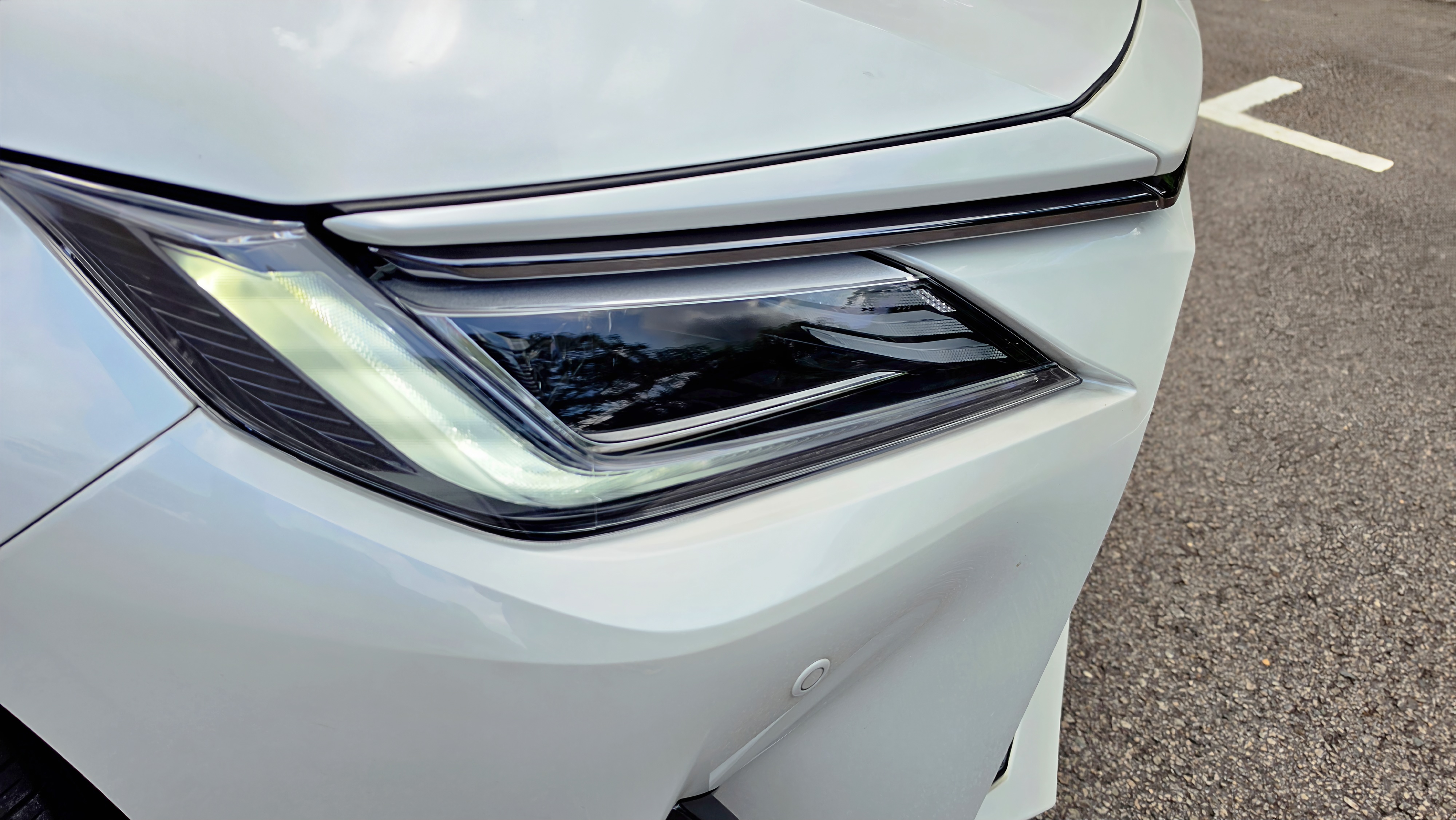 🔍
🔍LED lighting signature adds a sharper edge to the front and rear ends. Photo: Cars&TechSG
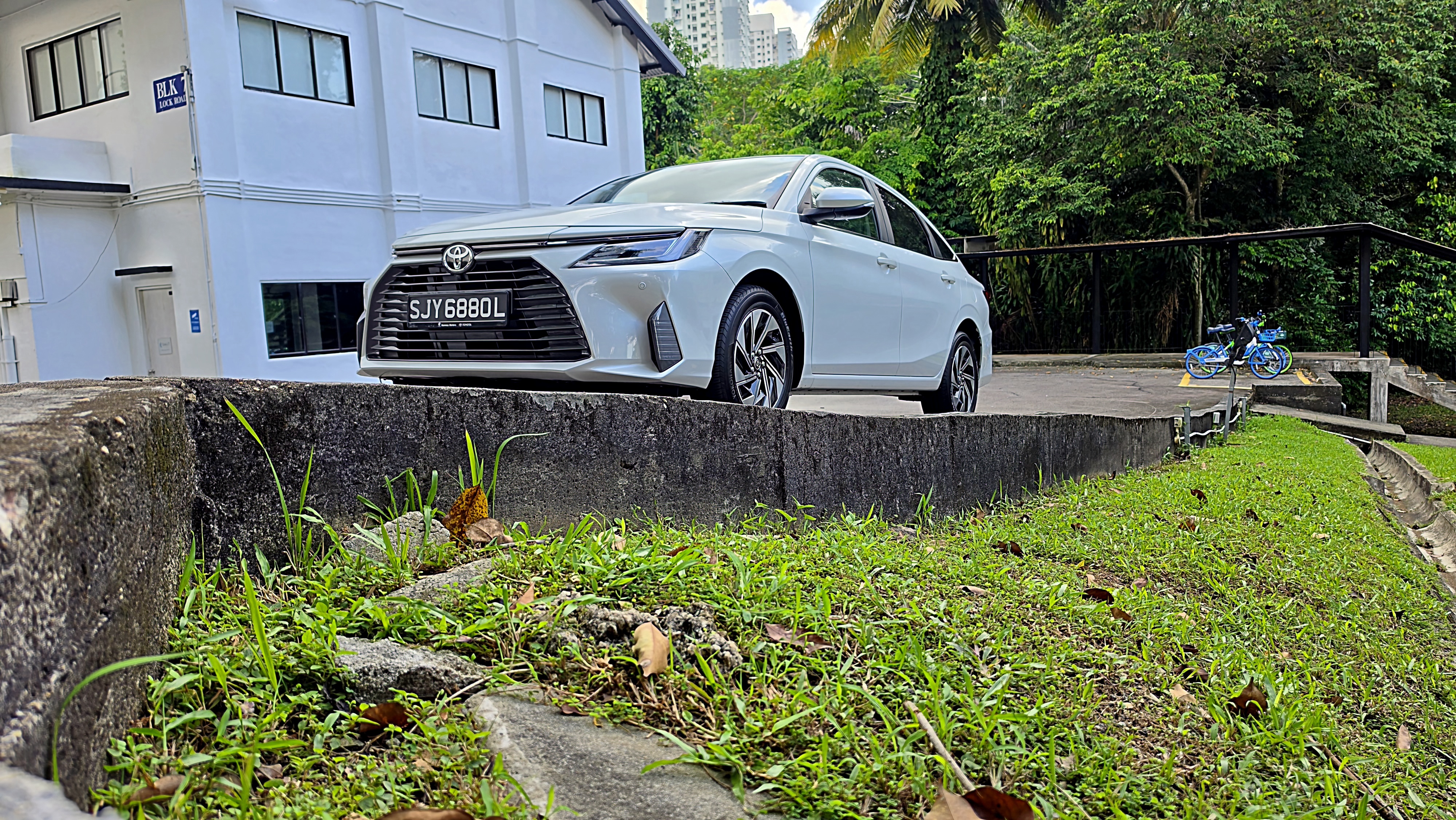 🔍
🔍16-inch alloy rims fill out the wheel arches nicely and don't look like an afterthought. Photo: Cars&TechSG
Taken as a whole, it looks sleek without trying too hard, and it's a genuine step forward for a nameplate that's historically played it safe on design.
Interior & Technology
Slide in and the first thing you'll spot is the driver's sun visor — flip it down and there's a genuinely generous vanity mirror, big enough to actually be useful. Check the passenger side, though, and there's nothing but a plain visor. It's a small thing, but it's the kind of asymmetry that makes you wonder what the cost-cutting conversation in the design room actually looked like.
 🔍
🔍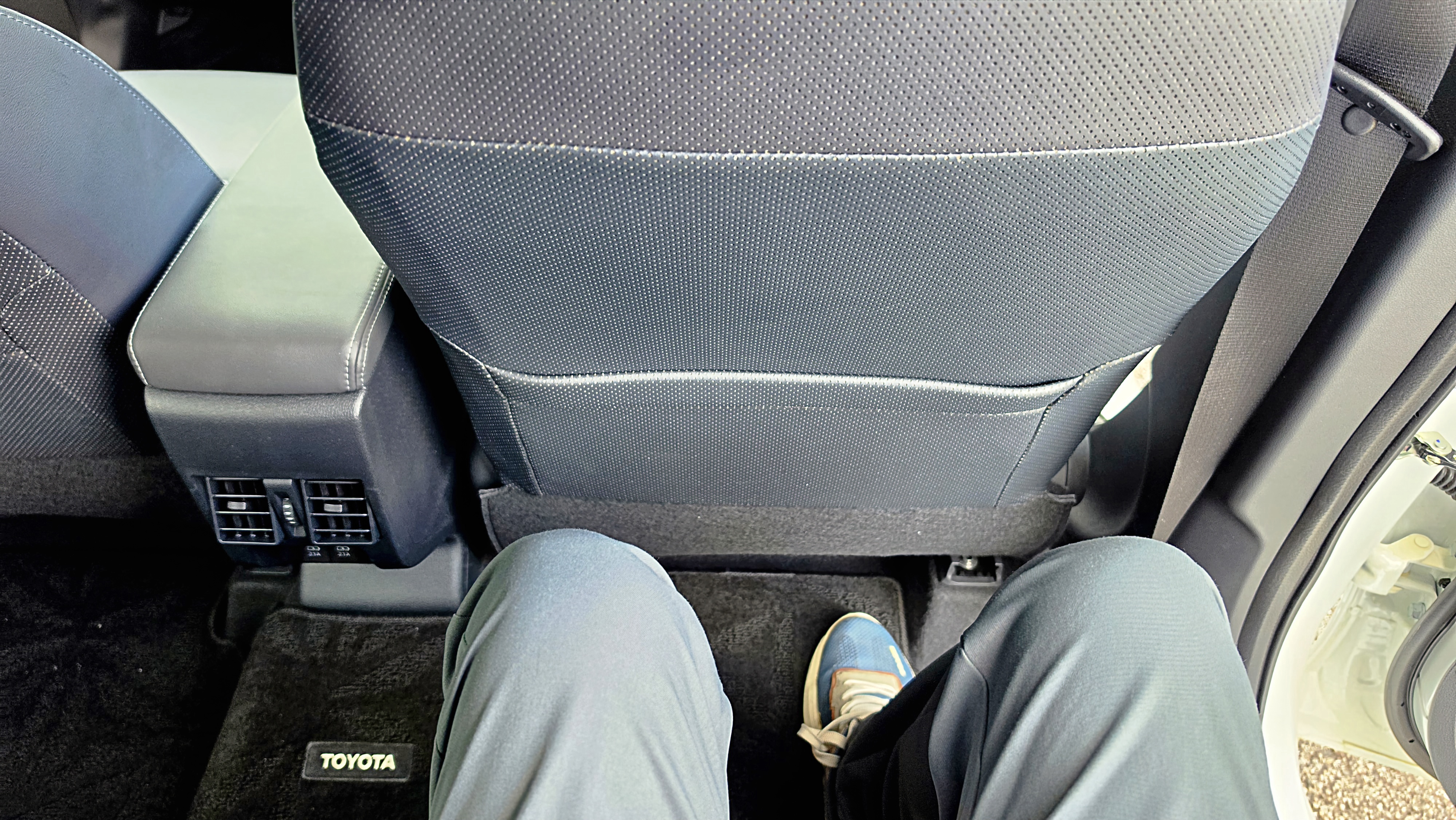 🔍
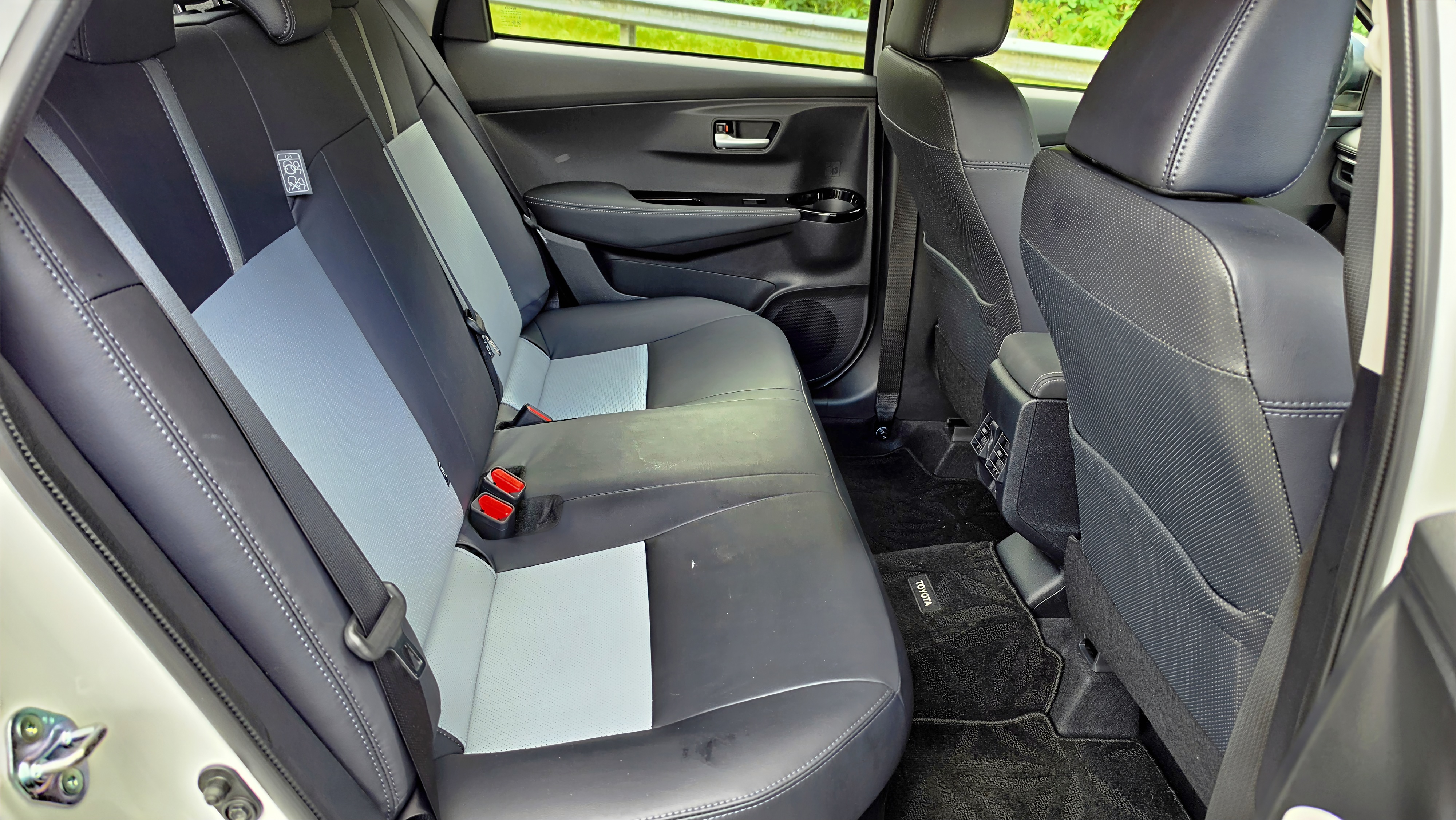
🔍Rear bench and legroom — comfortable for four, a fifth is situational. Photo: Cars&TechSG
Space-wise, the rear bench is comfortable for four adults without complaint. Squeeze a fifth in and it becomes a "depends on who's sitting there and how far you're going" situation rather than a flat no. Headroom is almost there — tall passengers will brush the roofliner rather than bang their heads, which is a fair way to put it.
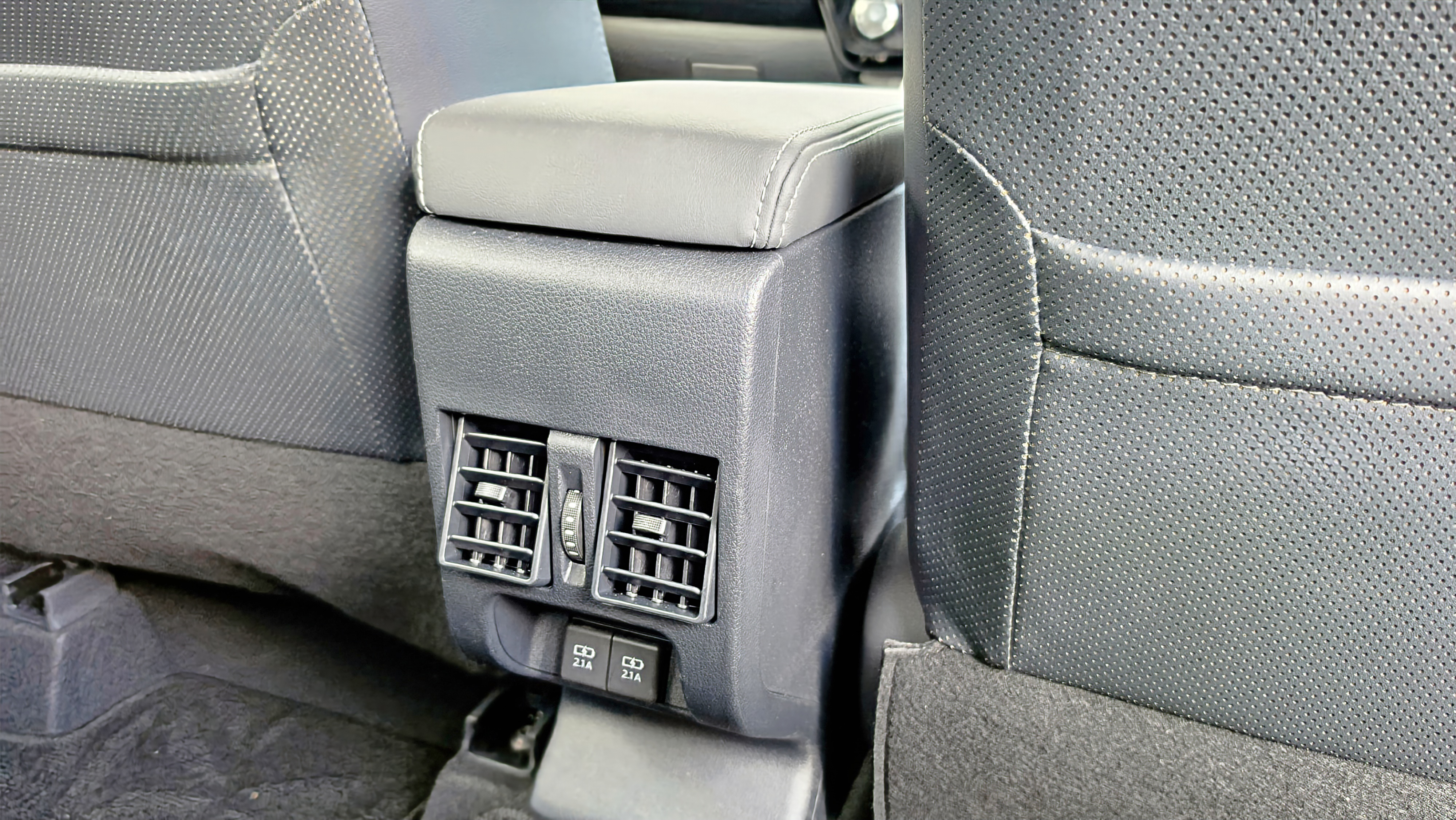 🔍
🔍Rear passengers get their own aircon vents and USB ports for longer trips. Photo: Cars&TechSG
There's no centre console cup holder — front passengers juggling a coffee and a phone will need to plan ahead and use the door pockets instead.
 🔍
🔍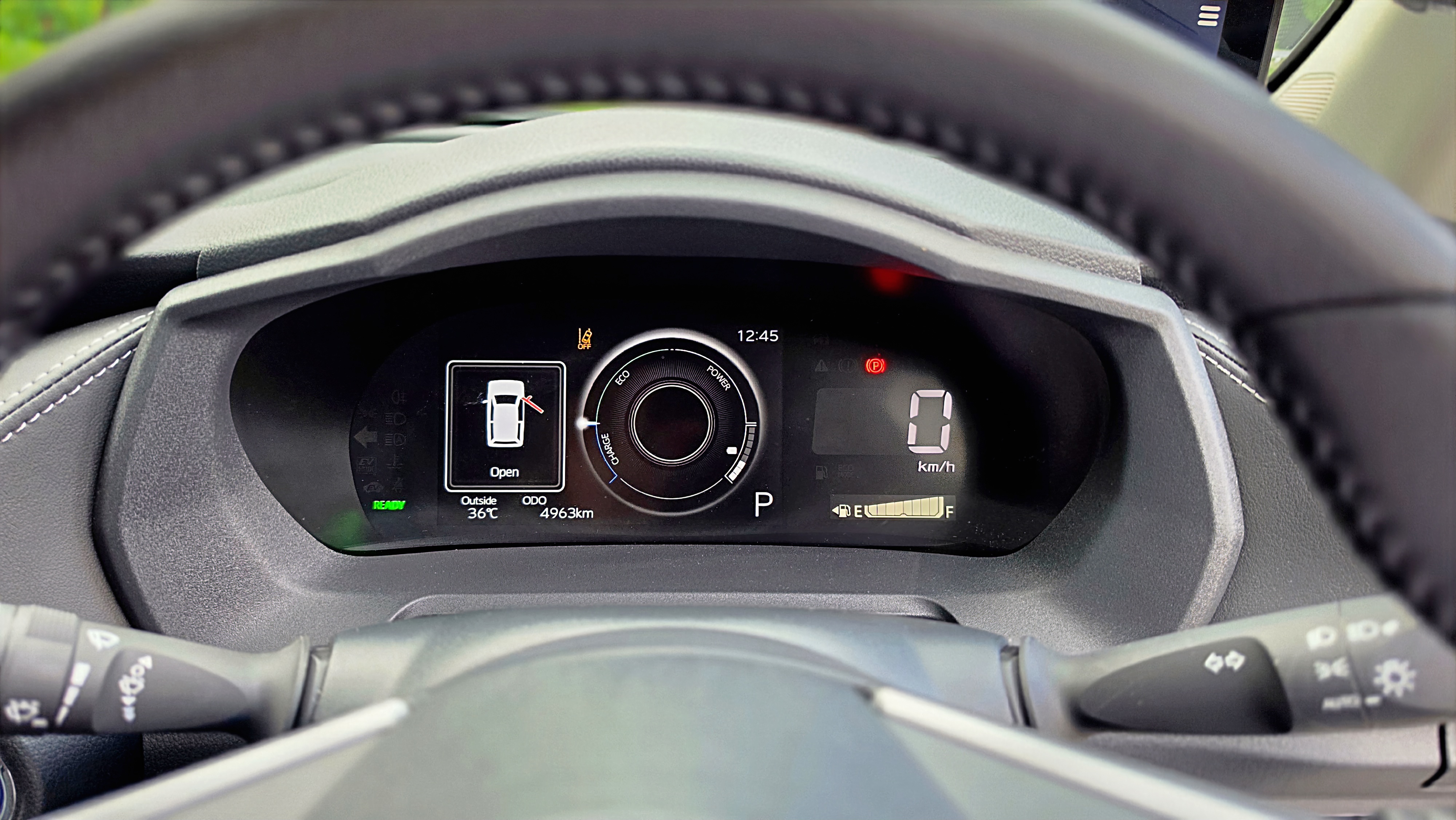 🔍
🔍Redesigned instrument cluster paired with a cleaner, more modern multimedia UI. Photo: Cars&TechSG
The multimedia interface is a genuine step up — the UI feels cleaner and more modern to navigate than what came before, and the instrument cluster has been redesigned to match, giving the whole dashboard a more cohesive, up-to-date feel. Wireless Android Auto and Apple CarPlay are both onboard, so most people will barely touch the native software day-to-day anyway.
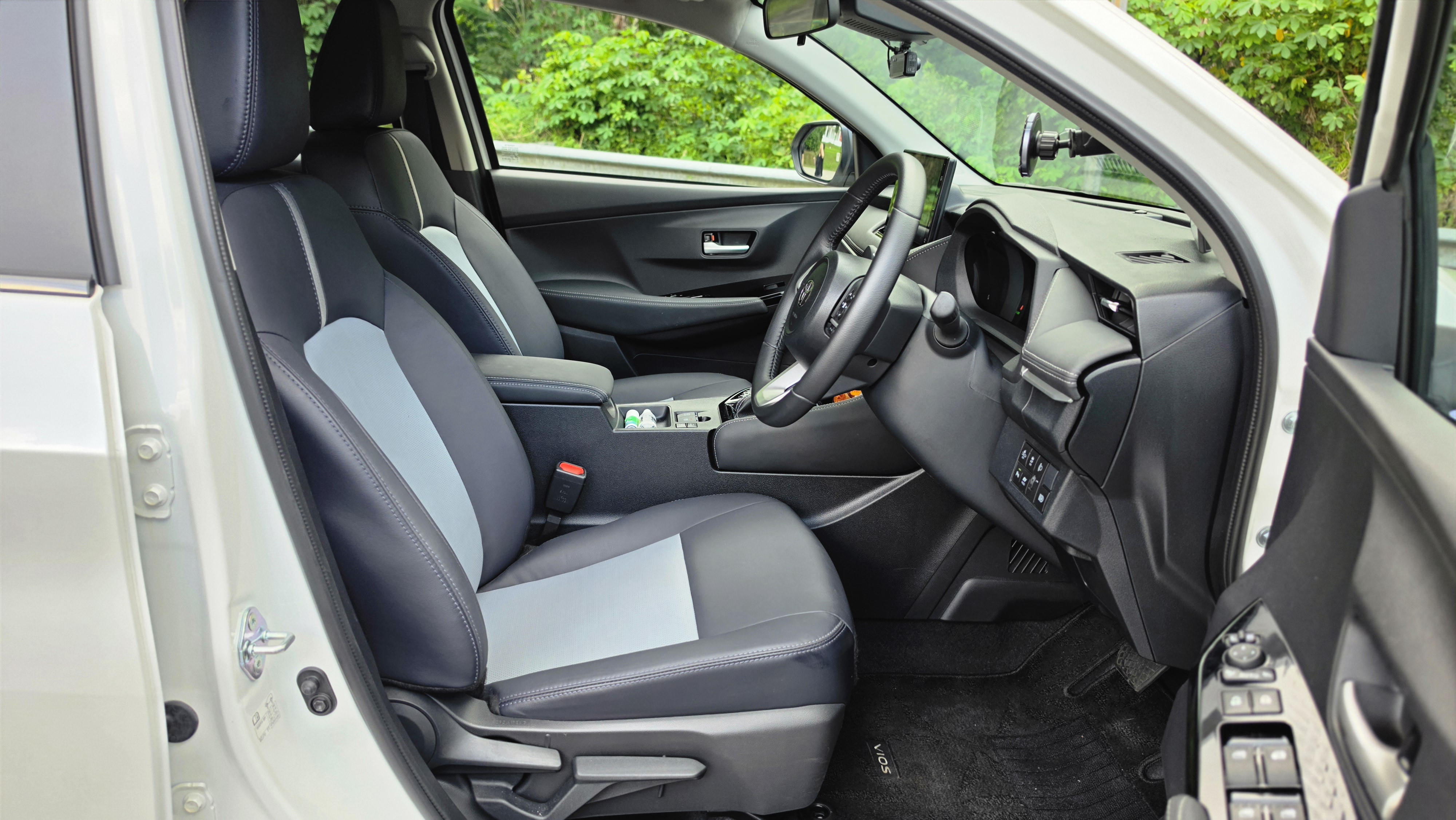 🔍
🔍Front seats — the driver's sun visor hides a generous vanity mirror; the passenger side gets a plain one. Photo: Cars&TechSG
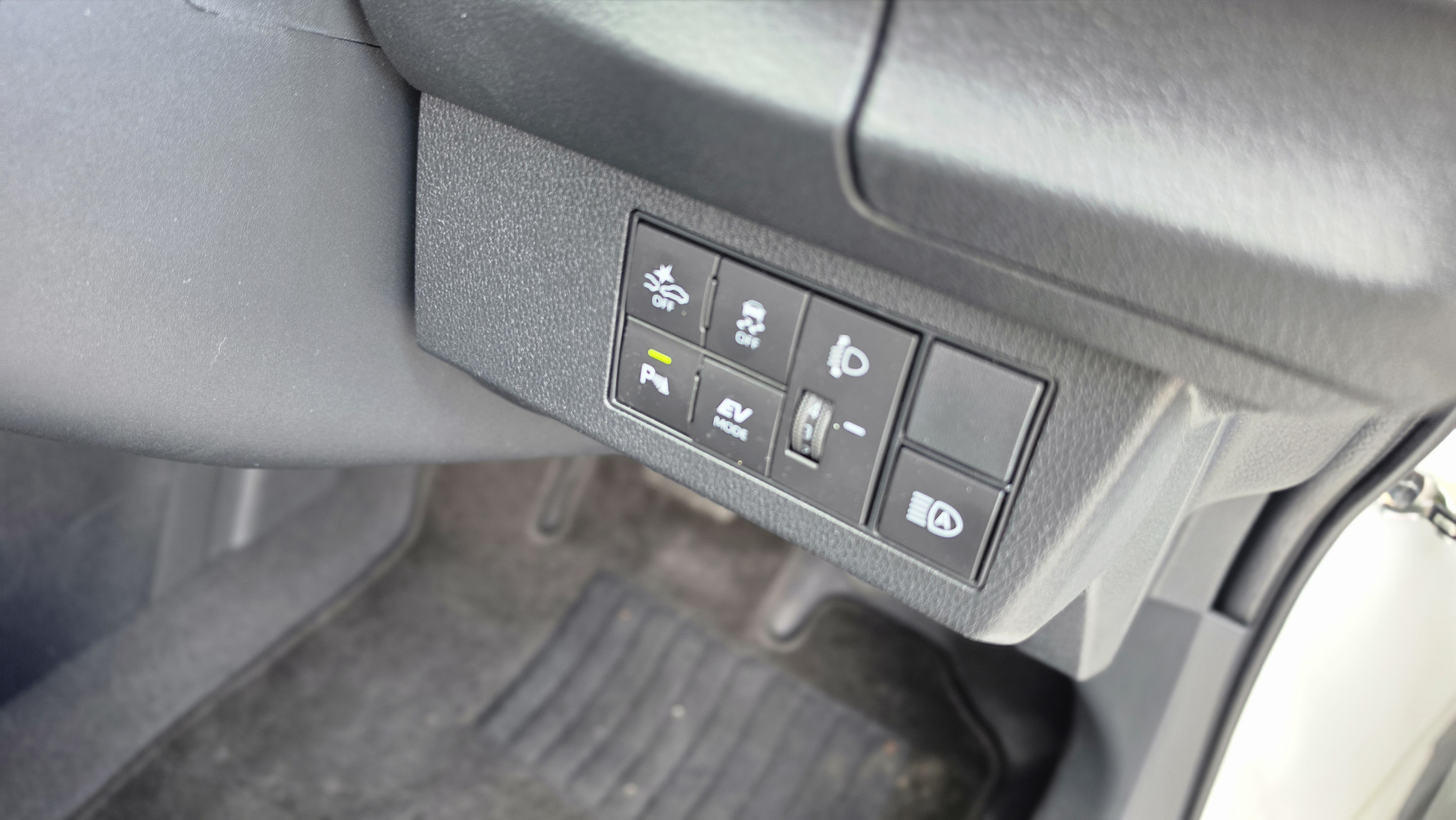 🔍
🔍Driver-side control buttons — laid out simply, nothing that needs a manual to figure out. Photo: Cars&TechSG
Instead of sitting somewhere obvious, it's buried deeper inside the console, below the aircon controls — you have to reach down and slightly blind to place your phone properly, and it's easy to miss the charging sweet spot on the first try.
Materials and features are otherwise sensible for the segment, but sound insulation isn't a strength here — wind noise creeps in at highway speeds in a way that a car this size shouldn't really allow anymore. On the upside, the cabin gets 64 ambient lighting colours to play with, even if the sound system playing under those lights is fairly basic and won't excite anyone who cares about audio. Also worth noting: there's no auto wiper function at this price point in 2026, which feels like an odd omission given how common the feature has become even in more affordable segments.
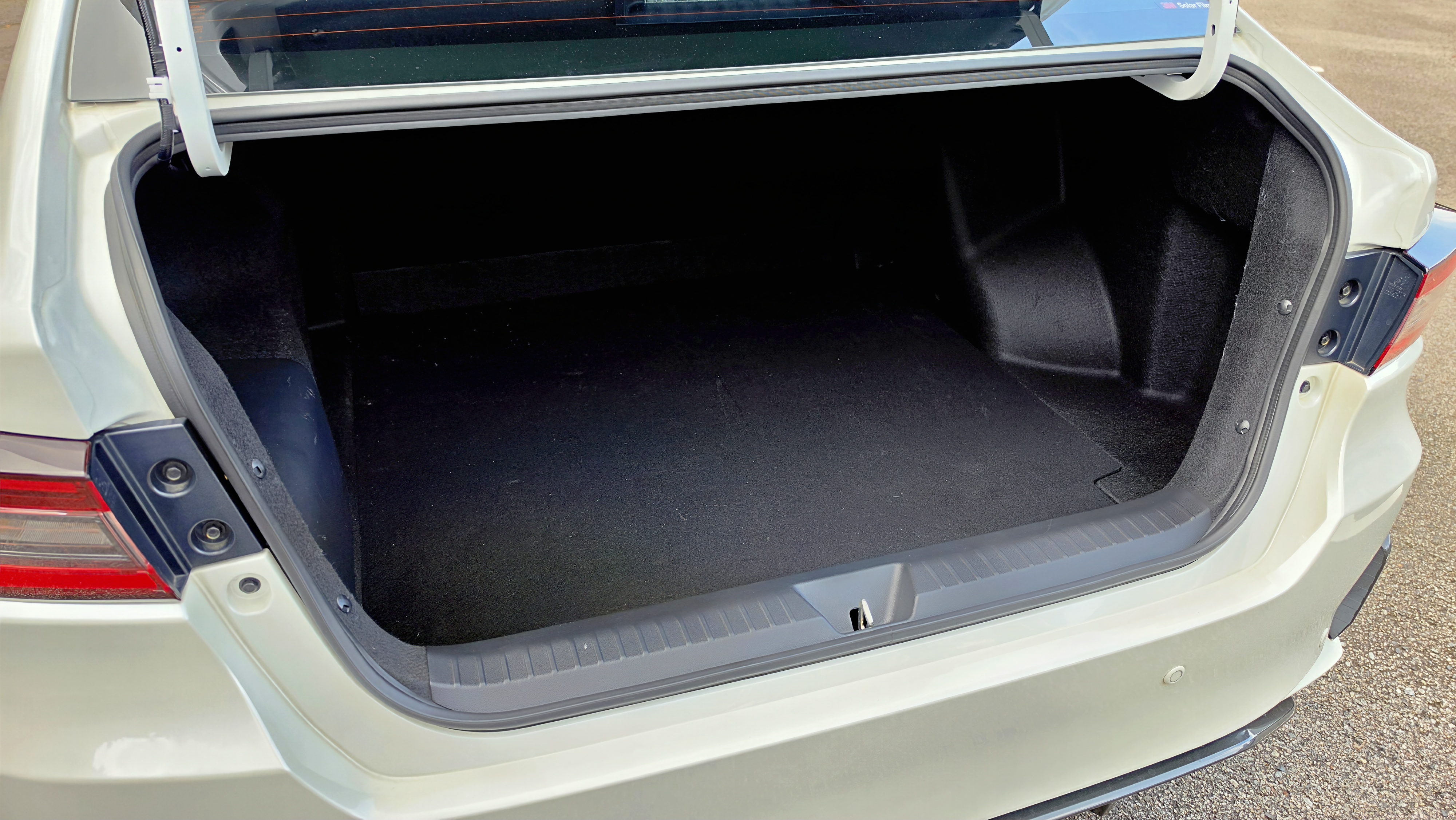 🔍
🔍460L of boot space — respectable for the class, though the rear seats don't fold. Photo: Cars&TechSG
Practicality & Safety
Boot space comes in at 460L, which is respectable for the class, though the rear seats don't fold down — so what you see is what you get, with no way to extend the load bay for bulkier items. Toyota has fitted the essential safety systems you'd expect, and most of them work in the background without getting in the way.
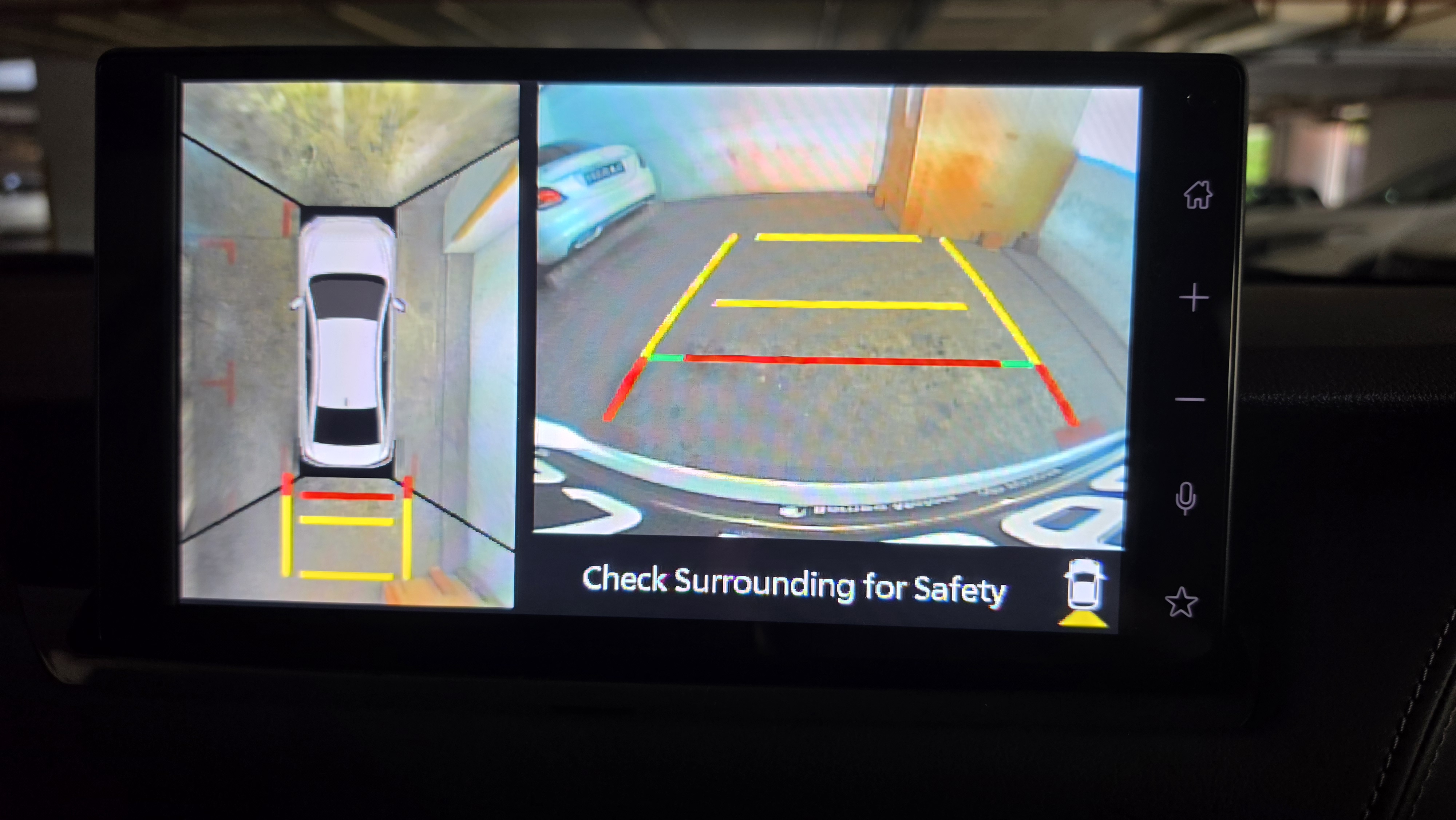 🔍
🔍The reversing camera is part of the essential safety suite that comes fitted as standard. Photo: Cars&TechSG
It's easily turned off, but left switched on, it chimes in more often than some drivers will want on familiar roads — worth knowing before you assume it'll just sit quietly in the background.
Driving Experience
This is where the update earns its keep. The 1.5-litre self-charging hybrid engine puts out 110bhp and 262Nm of torque, and engine response is noticeably better in this generation — throttle inputs translate into actual forward motion without the flat, delayed feeling older Vios owners will remember. It won't get your pulse up, but it no longer feels like it's working against you either.
Body roll is well controlled through corners, and the steering is light — easy around car parks and tight streets — though it's plain in character, giving back very little feedback about what the front wheels are actually doing. That's not necessarily a complaint: this is a car built for fuss-free handling, not for weekend backroad blasts, and on that measure it delivers exactly what it promises. During our media drive loop, it returned 22km/L, a solid number for the segment.
A sensible facelift that fixes what mattered most, and leaves a few small quirks behind.
The 2026 Vios doesn't reinvent itself, but the parts Toyota chose to fix — engine response, cabin tech, exterior styling — are the parts that mattered most. It's genuinely fuss-free to drive, returns solid fuel economy, and looks the part for the first time in a while.
The wireless charging placement, missing auto wipers, passenger-side vanity mirror, and so-so sound insulation are the kind of small misses that keep it from feeling fully sorted. None of it is a dealbreaker on its own.
For buyers who want a sedan that's genuinely easy to live with day to day, it still makes a strong case.
| Engine | 1.5L Self-Charging Hybrid |
| Power | 110 bhp |
| Torque | 262 Nm |
| Fuel Economy (as tested) | 22 km/L |
| Boot Space | 460 Litres |
| Rear Seats | Fixed, Do Not Fold |
| Wheels | 16" Alloy Rims |
| Ambient Lighting | 64 Colour Options |
| Connectivity | Wireless Android Auto & Apple CarPlay |
| Instrument Cluster | Redesigned Digital Layout |
| Auto Wipers | Not Available |
| Rear Seating | Comfortable for 4, 5th Situational |
| Front Cup Holders | Door-Mounted Only |
| Safety Systems | Essential Suite Incl. Lane Departure Warning |
© All photographs on this page are the original work of Cars&TechSG. Reproduction, redistribution or reuse of any image in whole or in part — whether for commercial or non-commercial purposes — is strictly prohibited without prior written permission. To request usage rights, contact us via our social channels.