
AION UT Review
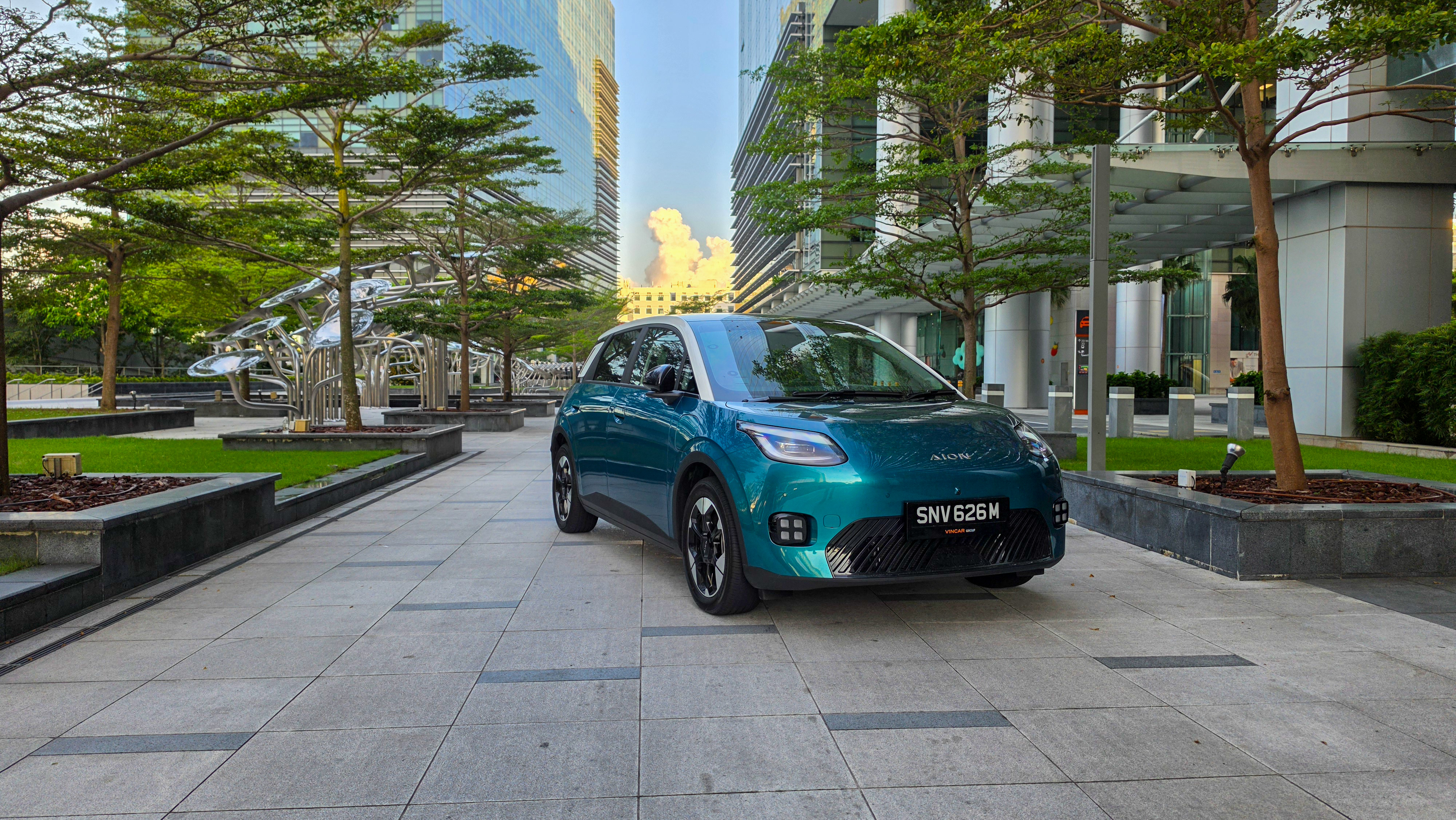
The AION UT — compact on the outside, but with a wheelbase that punches above its footprint. Photo: Cars&TechSG
Introduction
The AION UT doesn't try to hide what it is: a compact, funky-looking EV built to be easy to live with in a dense city. Over 351km of media drive — odometer ticking from 5,049km to 5,400km — we came away with a clearer picture of where the UT earns its keep, and where the cost-cutting shows through.
Power comes from a single motor good for 100kW and 210Nm of torque, with GAC quoting a 10-second 0–100km/h sprint. That's never going to feel quick on paper, but the UT was never built to be a performance car — it's built to be an easy, safe, and efficient daily driver, and that's the lens we judged it through.
Exterior Design
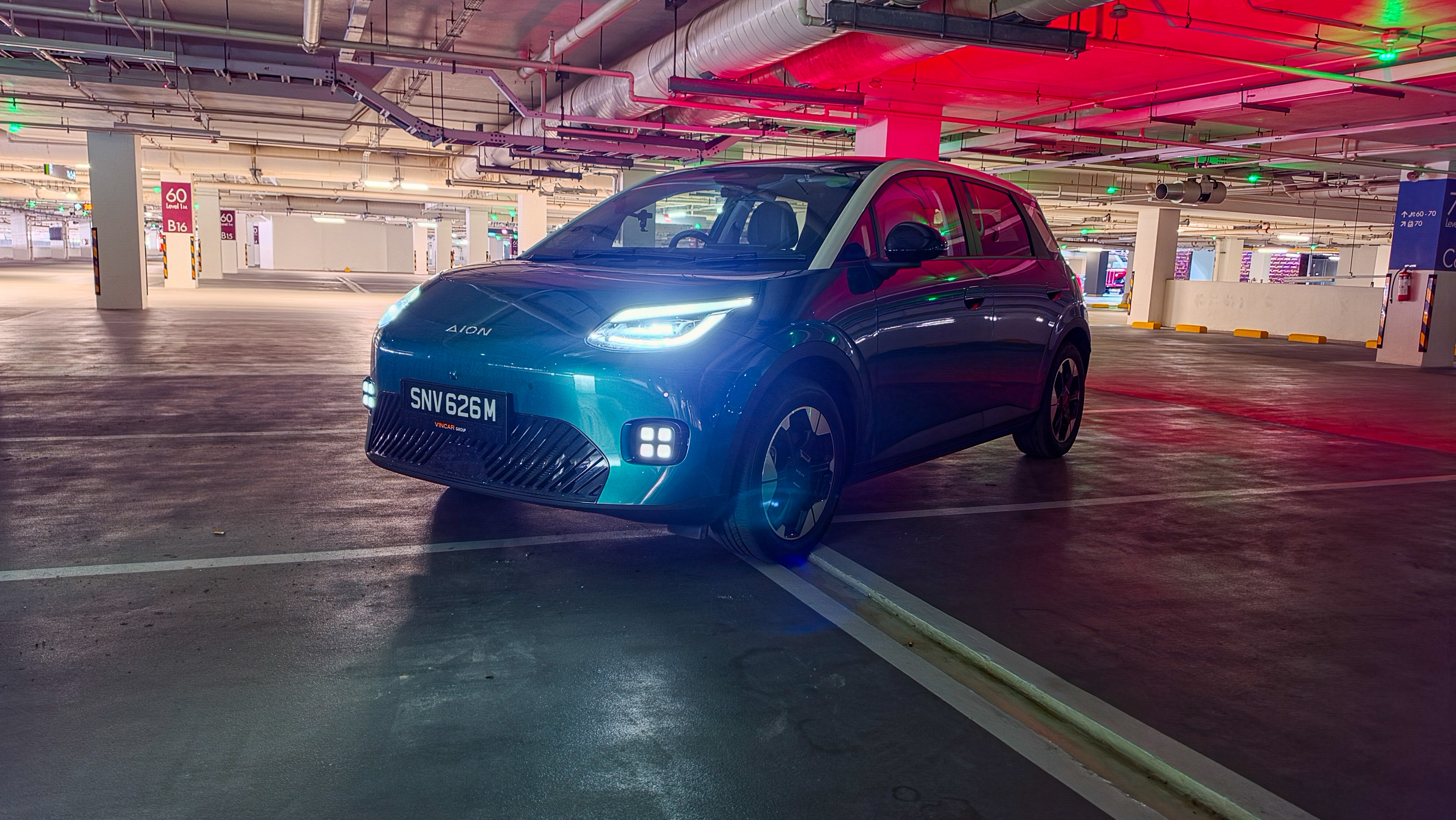
The UT's design is genuinely funky — pixel-inspired headlights give it a distinct face that stands out in a sea of similarly-shaped compact EVs. Despite its compact footprint, the 2,750mm wheelbase is long for the segment, which pays off once you're inside (more on that below). It rides on 215/55/R17 tyres, sized sensibly for a car this size rather than chasing bigger-looks-better rims.
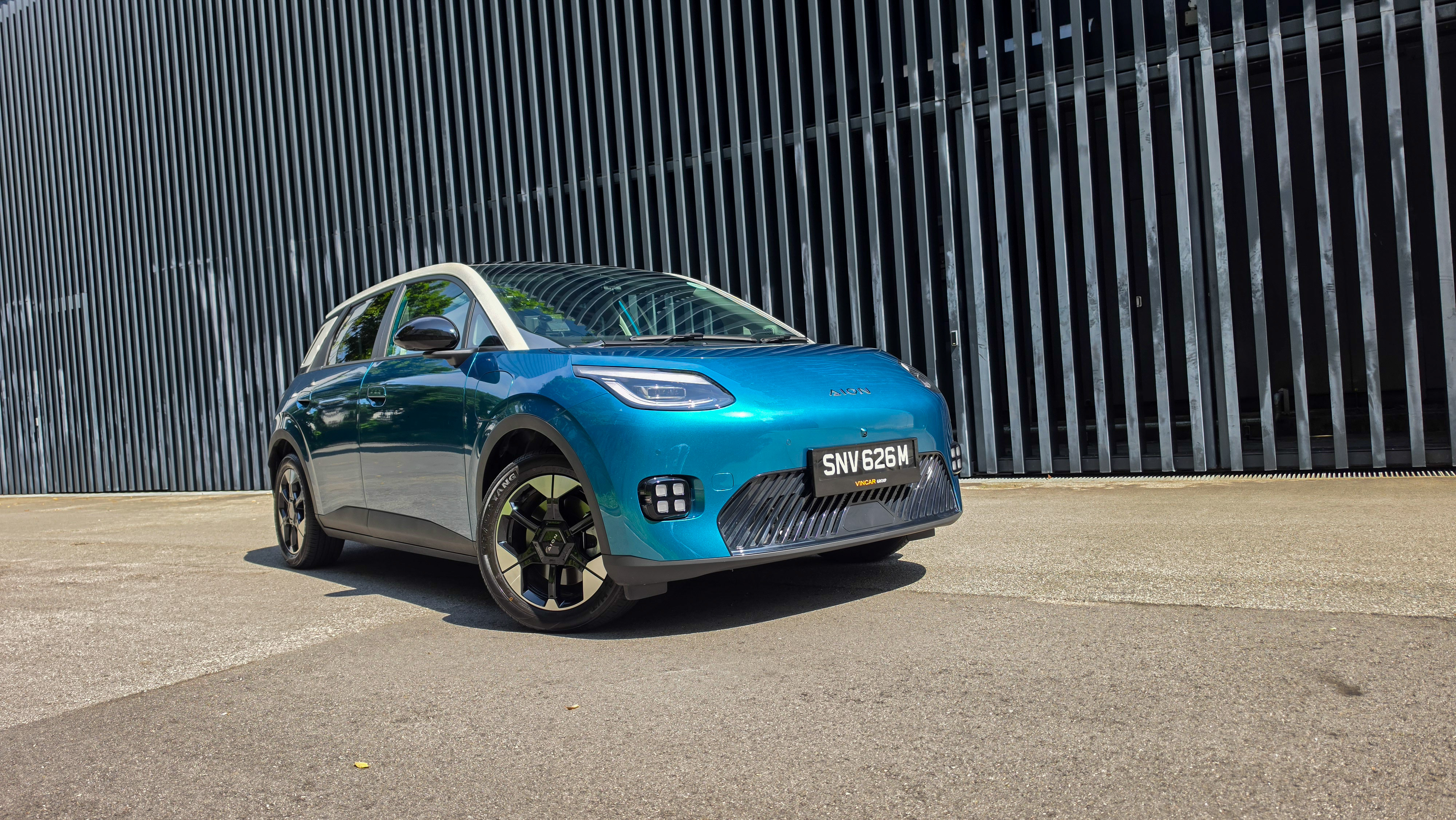
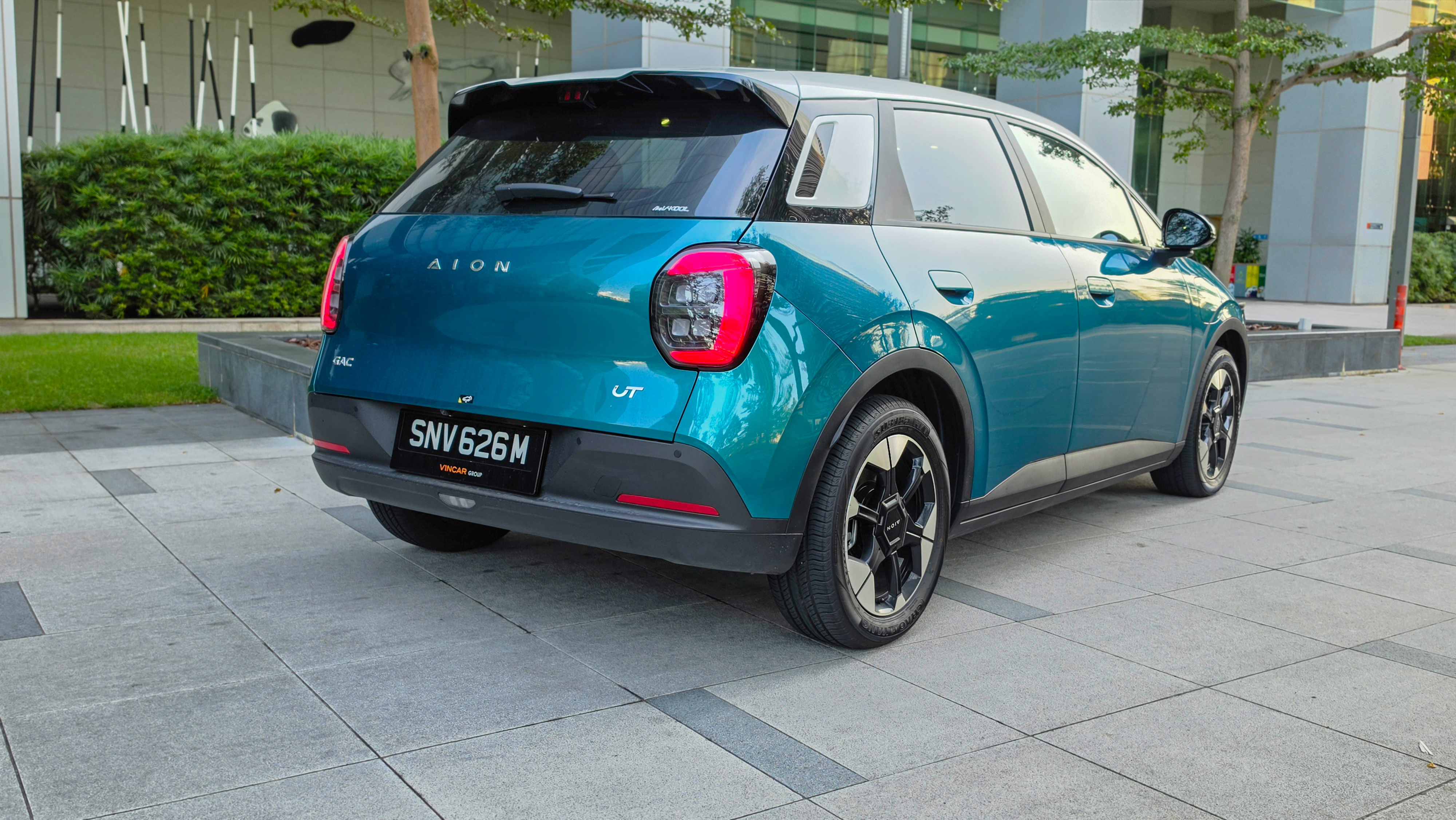
Pixel-inspired headlights up front give the UT a distinct identity; the compact rear hides a surprisingly long wheelbase. Photo: Cars&TechSG
Interior & Technology
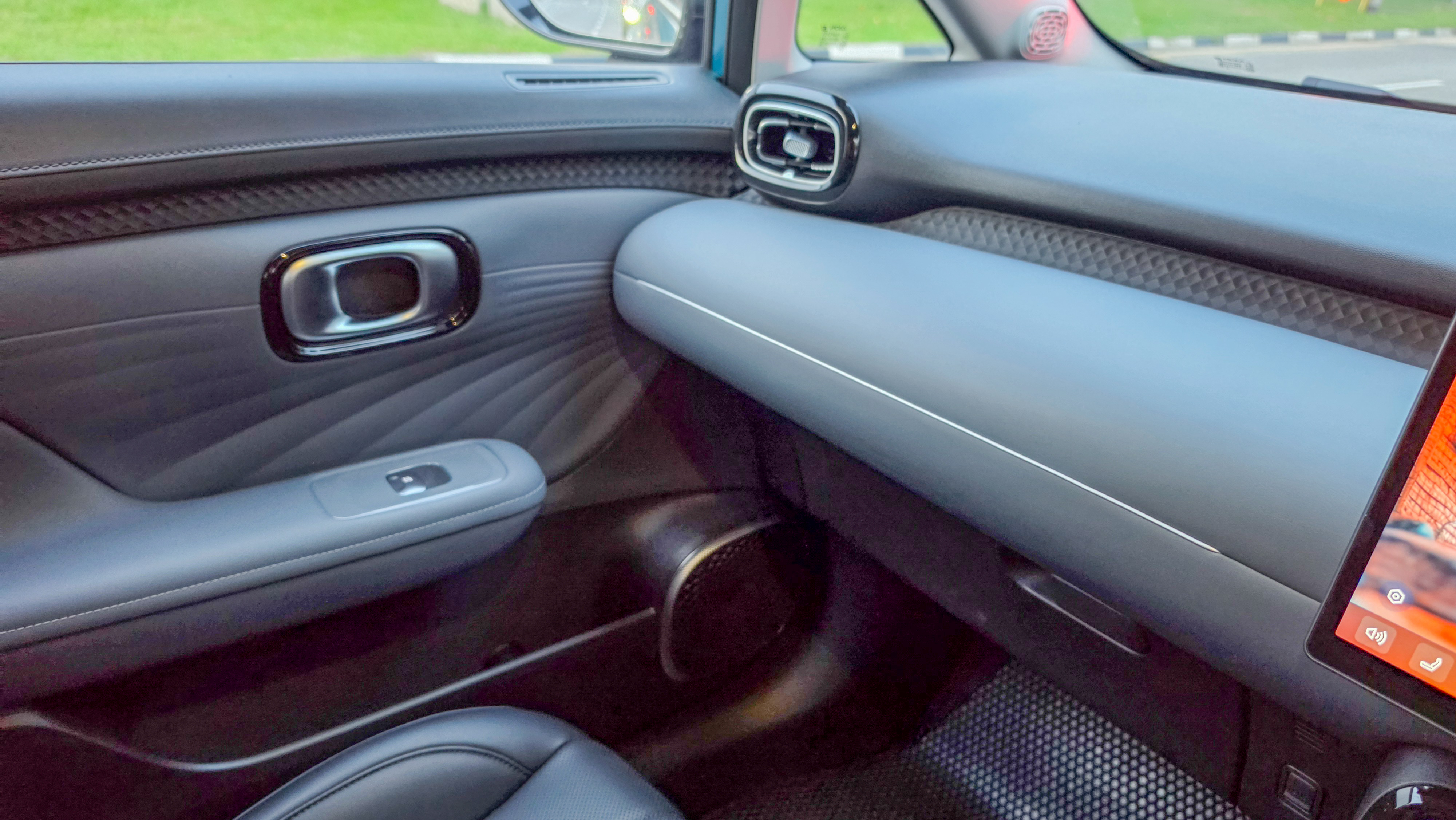
Inside, the UT is trimmed in premium PVC leather rather than the real thing, but it doesn't feel like a downgrade — the seats are genuinely comfortable, and both front seats get electric adjustment along with ventilation across three levels, which is a welcome surprise at this price point. Yes, there are plastics scattered around the cabin, but they've clearly been given some design attention rather than being left as flat, cheap-feeling panels — the car still feels up to standard.
Premium PVC leather front seats — electrically adjustable, with ventilation up to three levels. Photo: Cars&TechSG
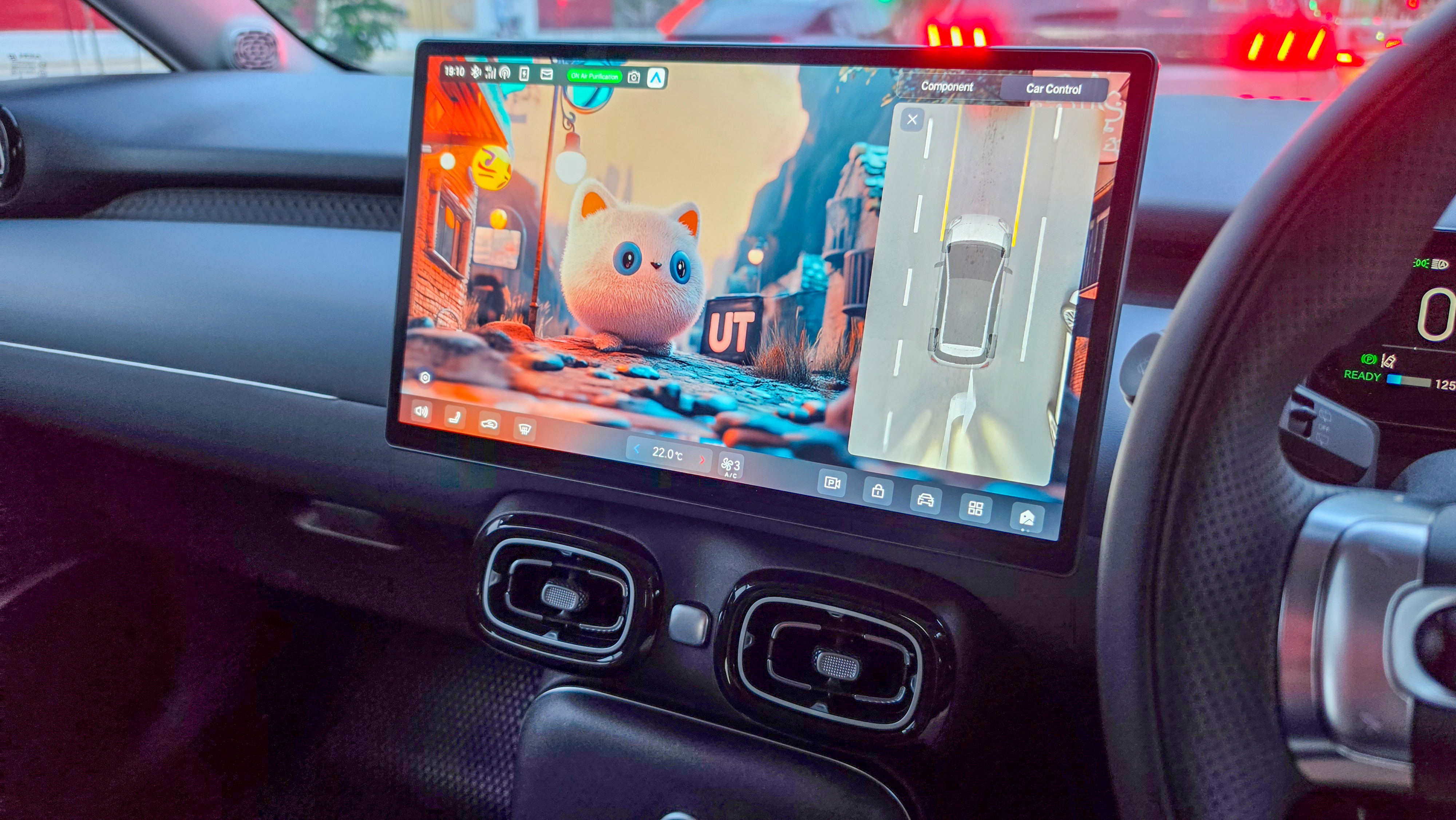
The infotainment display is crisp and clear, and stays legible even in low light; the aircon vents get a modern design that lifts the cabin's perceived quality. Photo: Cars&TechSG
The aircon vents are a small but effective touch — modern-looking units that give the dashboard a more premium feel than the rest of the cabin might suggest. Pairing with the infotainment system was painless: navigation is built in, and both wireless Android Auto and Apple CarPlay connected without a hitch every time. The sound system, running through 6 speakers, punches above its position too — bass in particular came through well on our test tracks.
Rear Cabin & Practicality
This is where the 2,750mm wheelbase really shows its value — rear passengers get comfortable, spacious legroom and headroom that you wouldn't necessarily expect from a car this size on the outside. Storage throughout the cabin is ample too: the door bins aren't the token slots you sometimes get in compact EVs, and comfortably fit a bottle plus other personal items.
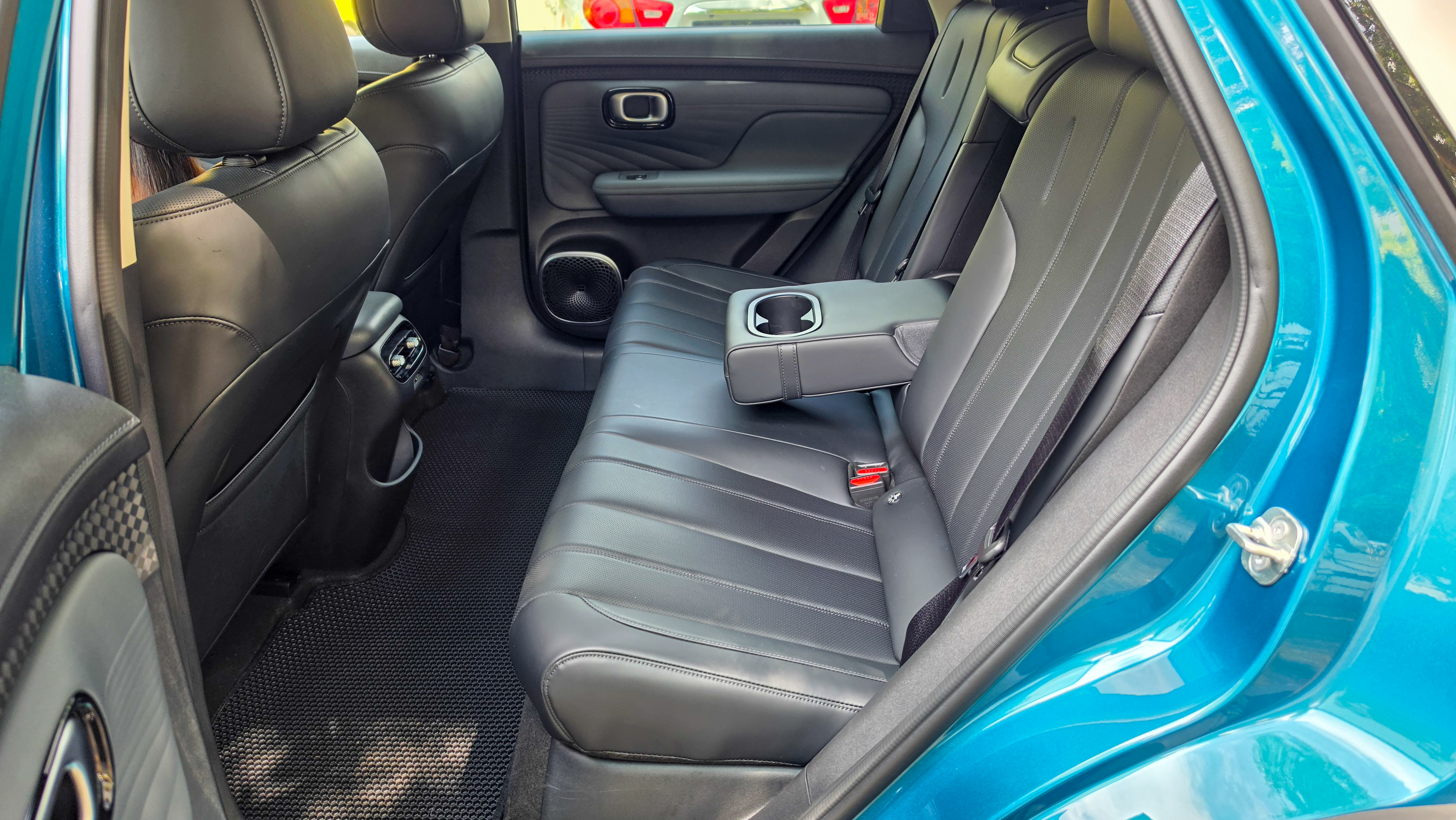
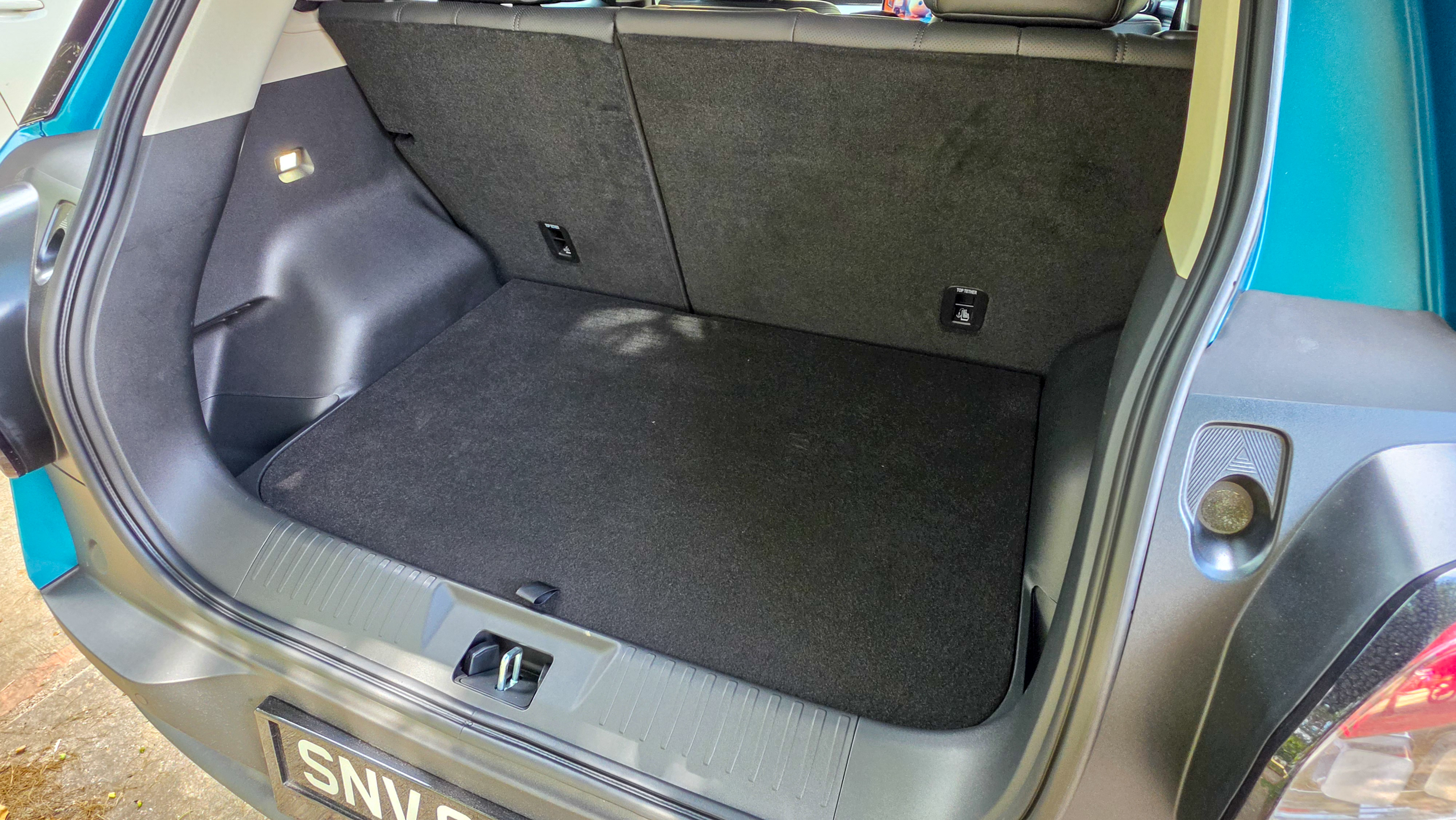
Rear legroom and headroom are a pleasant surprise, and the boot holds its own too — though the tailgate opening is on the shorter side. Photo: Cars&TechSG
Driving Experience
The UT's compact size makes it genuinely easy to manoeuvre, whether that's threading through carpark ramps or squeezing into tight urban lots. Steering feels rather light at low speeds, but it keeps up well once you're moving — there's enough feedback that you're never guessing what the front wheels are doing. Cornering is well managed for a car in this class, with body movement kept in check through faster bends.
Regen braking is one of the highlights — it's tuned comfortably enough that it doesn't give you the jerky, head-nod feeling that some EVs are guilty of, making it easy to drive smoothly without constantly hopping between the brake and accelerator. The comfort-oriented suspension does have its limits, though — it doesn't always absorb sharper bumps as well as we'd like, so expect a bit more feedback through the cabin on rougher roads.
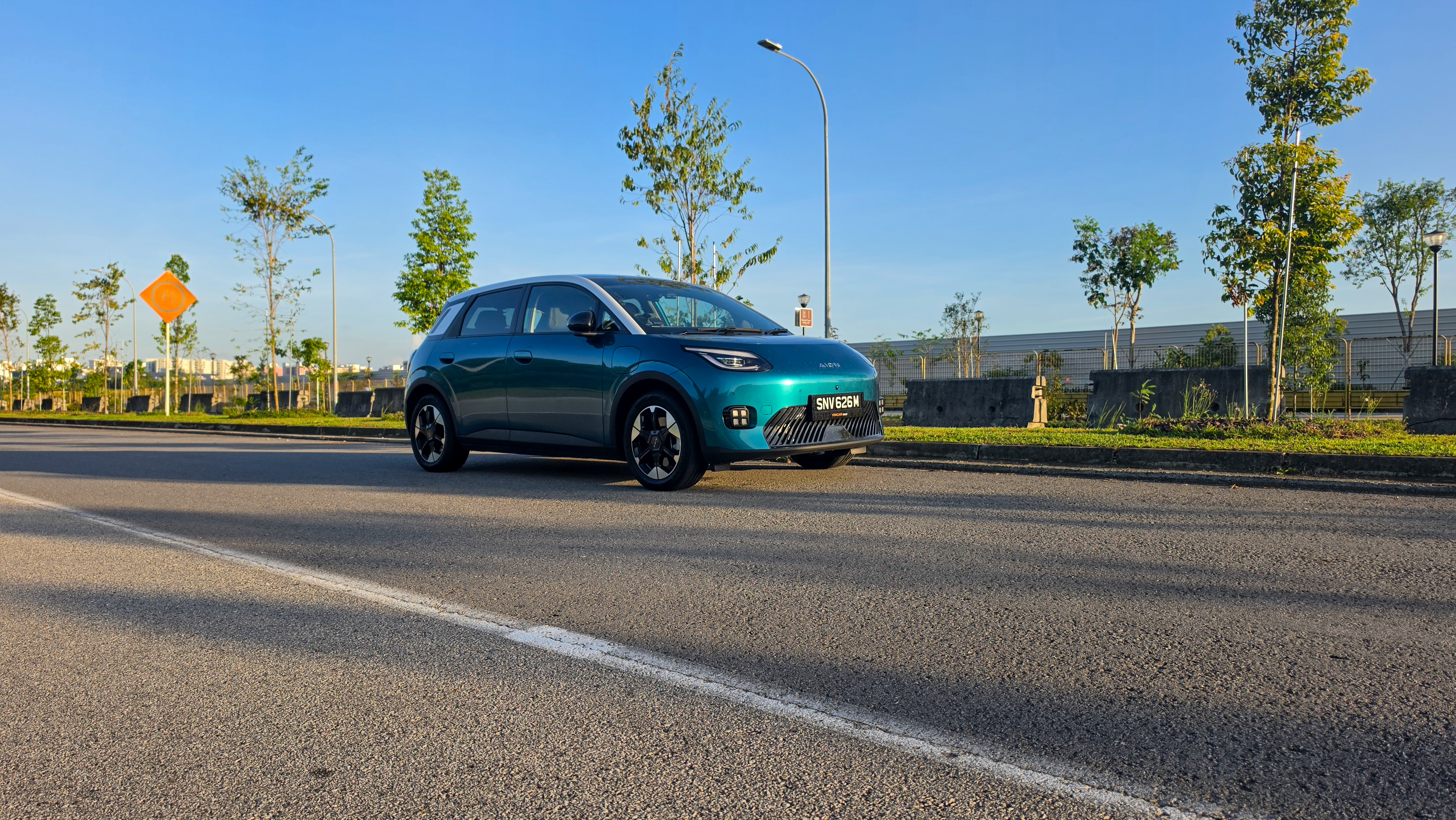
351km on the clock, from 5,049km to 5,400km — the UT stayed composed through city and expressway stretches alike. Photo: Cars&TechSG
On the efficiency side, we recorded 15kWh/100km over our drive — a sensible number that lines up reasonably with AION's claimed 410km WLTP range and the more optimistic 570km city driving figure on paper. Charging is quoted at roughly 24 minutes for a 30–80% top-up, which is workable for a car aimed at daily errands rather than long road trips.
Verdict
Over 351km, the AION UT made a good case for itself as an easy, comfortable compact EV. The long wheelbase pays real dividends in rear-seat space, the ventilated seats and clear infotainment punch above the car's likely price point, and the regen braking tuning is genuinely well judged for everyday use.
It's not without its rough edges — the flimsy door handles, missing ambient lighting, limited tailgate height, and a suspension that can get caught out by sharper bumps are all reminders of where the cost has been managed. None of it derails the overall package, though, and if GAC's "World's Safest Battery" claim holds up the way the rest of the car's everyday usability does, the UT is a compact EV worth shortlisting.
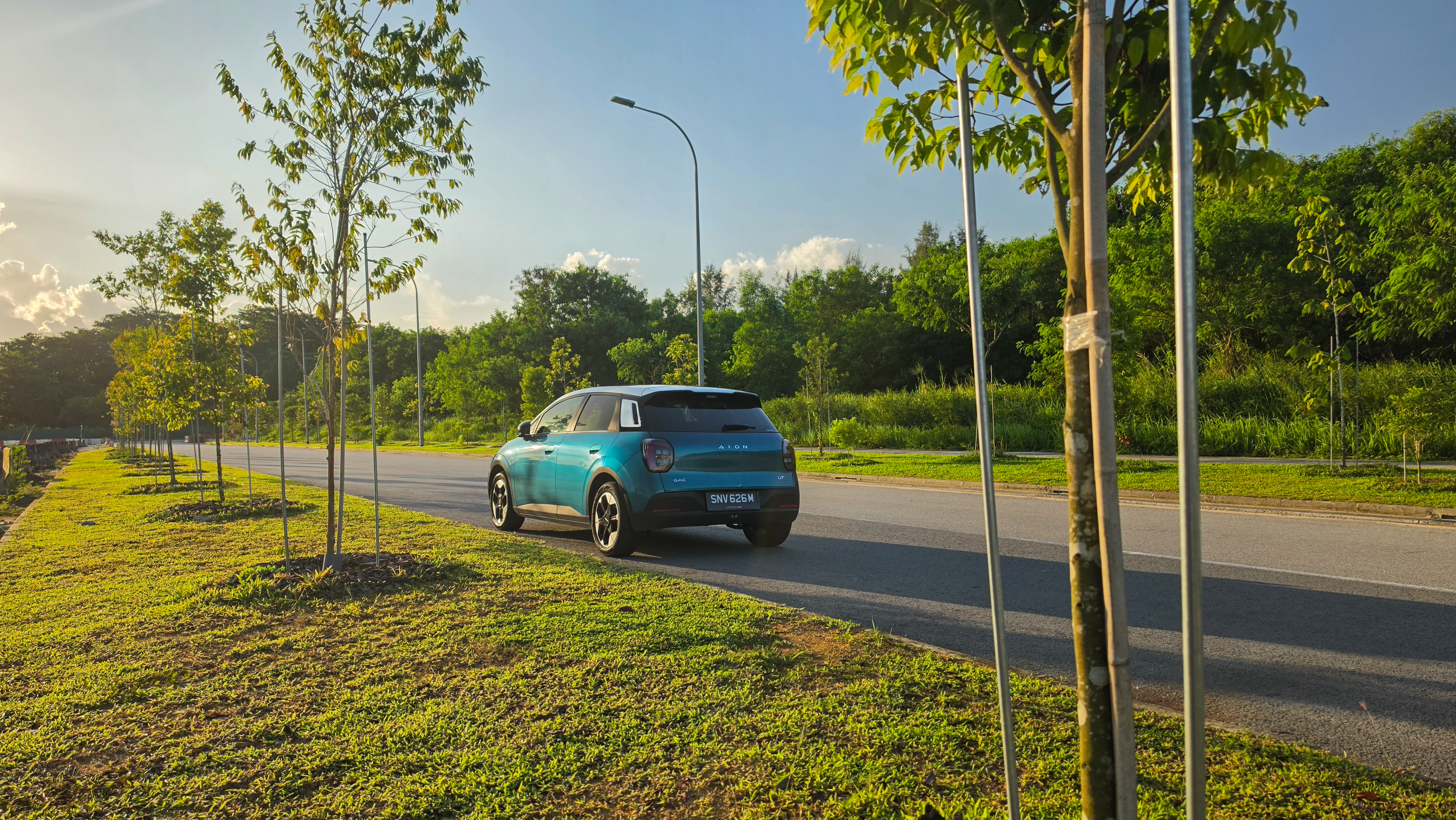
The AION UT — 351km, mostly comfortable, occasionally rough around the edges. Photo: Cars&TechSG
📋 Key Specifications
| Specification | Detail |
|---|---|
| Model | AION UT |
| Power | 100 kW |
| Torque | 210 Nm |
| 0–100 km/h | 10 seconds (claimed) |
| Battery | Magazine Battery 2.0 ("World's Safest Battery") |
| WLTP Range | 410 km |
| City Range (paper) | 570 km |
| DC Charging | 30–80% in ~24 minutes |
| Wheelbase | 2,750 mm |
| Tyres | 215/55/R17 |
| Seats | Premium PVC leather, electric adjustment (front), 3-level ventilation |
| Sound System | 6 speakers |
| Connectivity | Built-in navigation, wireless Android Auto & Apple CarPlay |
| Media Drive Mileage | 5,049 km → 5,400 km (351 km total) |
| Recorded Consumption | 15 kWh/100km |